
Live Blackjack and Roulette: What Changes Without an RNG
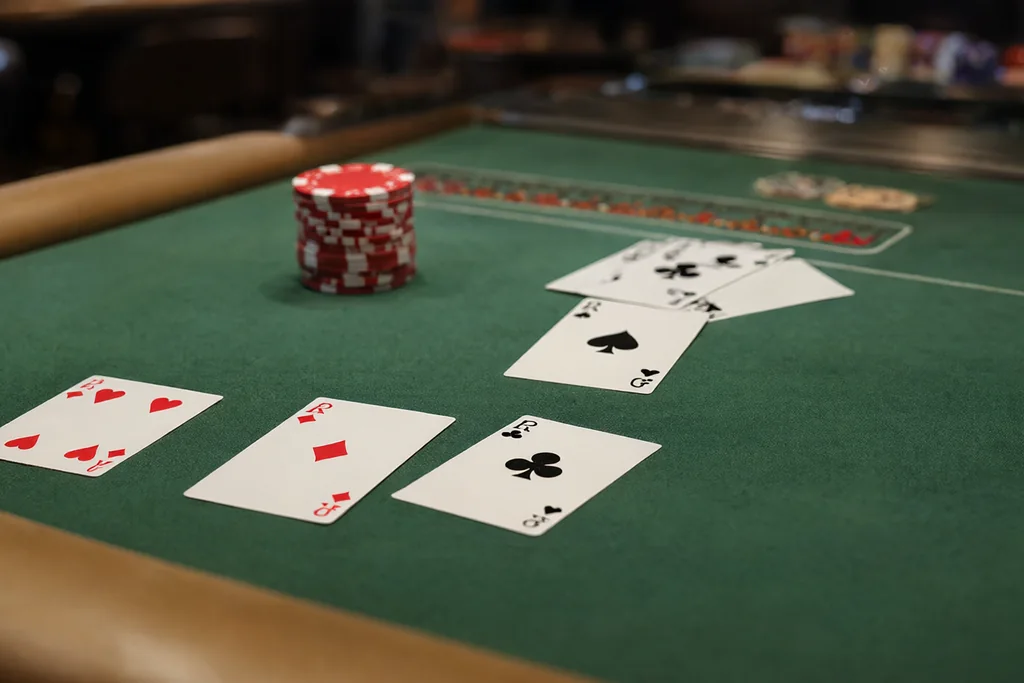
Live blackjack and live roulette look like their software counterparts and behave quite differently in practice. A physical shoe and a physical wheel remove the random number generator from the picture, and the human pace changes how a session unfolds. This comparison sets out the differences that matter at 1xBet, from bet timing to the number of hands per hour.
The core mechanical difference
A software table resolves each round inside a certified random number generator, and the result is instant. A live table resolves the same round with cards drawn from a shoe or a ball dropped on a wheel, recorded by cameras. Both are gambling products with a built-in margin; the source of the result is what changes.
That difference has a practical consequence. Software rounds can be played at any speed you choose, while live rounds run at the studio's speed. You cannot skip a hand or deal faster, and the interval between rounds is fixed by the dealer and the other players.
The randomness itself is audited in both cases, just by different means. Software suppliers publish certificates for their generators, while live studios rely on physical inspection, shuffle procedures and recorded footage. Neither format is more honest than the other; they are verified differently.
Betting windows replace instant play
Live tables accept bets only inside a countdown, and the countdown is short. Software tables accept a bet at any moment because the round begins when you press the button. In live play you join a schedule rather than start one, and a missed window means waiting.
The interface shows the remaining time, but it does not pause for you. Placing chips early in the window is the simplest way to avoid refusals, particularly on mobile connections where the tap can arrive a moment later than expected.
Most interfaces keep the previous bet visible so it can be repeated with one action. That convenience is useful for a steady stake and dangerous for an escalating one, because repeating a larger bet after a loss is exactly the pattern the format makes easiest.
Blackjack: rules become visible and variable
Live blackjack puts the rule card on screen: number of decks, dealer action on soft seventeen, doubling and splitting permissions, and any side bets. Software versions hide the same information in a help panel that many players never open.
Visibility is an advantage. You can compare two live tables side by side before sitting down, and the differences between them are real rather than cosmetic. A table that allows doubling after a split is a different game from one that does not.
A basic strategy card is allowed at live tables, and on many of them the interface includes a hint feature. Using it is not cheating; the game is built around the assumption that informed players will make the correct decision.
- Fewer hands per hour than software, so a session lasts longer.
- No autoplay, which removes the fastest route to a large loss.
- Side bets are usually prominent and priced separately.
- Decisions are public in the sense that the table sees your action.
Roulette: wheel, ball and betting rhythm
Live roulette uses a real wheel, and the spin is visible from the moment the ball is released. Software roulette animates a result that has already been decided, which is why the two feel different even when the bet types and payouts match.
The betting window in live roulette is tighter than in blackjack because there are no player decisions. Experienced players place chips as soon as the previous result is settled, which keeps the rhythm steady and avoids a refusal at the end of the window.
Wheel type still matters most. A single-zero wheel and a double-zero wheel are not equivalent, and the live lobby usually labels them clearly enough to choose deliberately.
Announced bets, such as neighbours or a full section of the wheel, are placed through the dealer rather than on the grid. They are a live-only option and come with their own minimums, so ask about them before the spin rather than during it.
Side by side
| Aspect | Software table | Live table |
|---|---|---|
| Result source | Random number generator | Physical cards or wheel |
| Bet timing | Anytime | Inside a countdown |
| Pace | Your choice | Set by the dealer |
| Rule visibility | Help panel | On-screen rule card |
| Autoplay | Often available | Not available |
Speed, attention and session length
Software blackjack can deal several times faster than a live table, so the same budget buys more hands and more variance in the same period. Live play slows everything down, which many players find easier to control and some find frustrating.
Slower play is not safer play. The margin per hand is unchanged, and a long live session can cost as much as a short software one if the stakes are higher. Speed changes the shape of the risk, not its direction.
A useful comparison is total exposure rather than stake size. Twenty live hands at a larger stake and a hundred software hands at a smaller one can commit the same amount of money, and only the second option feels fast.
Which format suits which player
Choose software when you want to test a rule set, practise decisions or play a quick session. Choose live when the table experience is the point and you are happy to follow someone else's tempo. The games section holds the software versions, and 1xBet's live casino holds the streamed ones.
Either way, check the rules before the first bet and set a limit before the first hand. The format changes the experience; it does not change the arithmetic behind it.